A file is not finished. It is a possibility stored on a drive. The work is finished when it exists as an object you can hold, and when the decision to stop has been made on paper rather than on a screen.
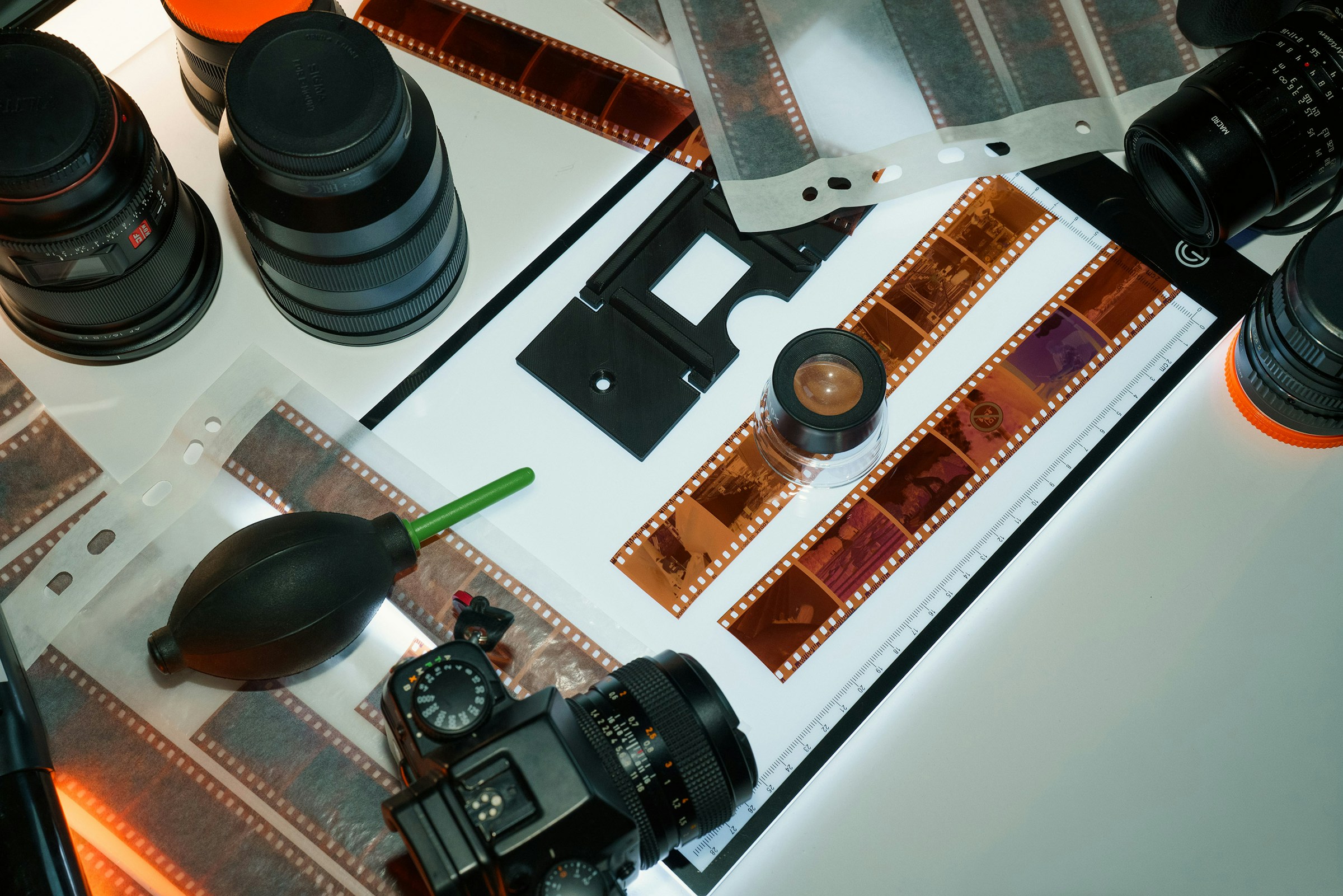
I print in the darkroom because that is where the image becomes fixed. Digital files can be reopened, regraded, and second-guessed indefinitely. A print forces a conclusion. The exposure is chosen, the contrast is set, and the paper accepts it. After that the image no longer belongs to the editing session. It belongs to the sheet.
I work with both film and digital. Film already carries its own grain and latitude; the darkroom simply reveals what is already there. Digital files are printed when the image is strong enough to survive the translation. Not every file deserves a print. Most do not. The ones that do are made on archival fibre paper, processed properly, and left alone. There is no batch export, no standard package, and no assumption that every sitting ends with a stack of prints.
The difference is practical. A screen emits light. A print reflects it. Tone behaves differently. Detail that looks acceptable on a monitor can collapse or open up on paper. The darkroom makes those differences visible before the work leaves the studio. It also removes the temptation to keep adjusting. Once the print is dry, the version is chosen.
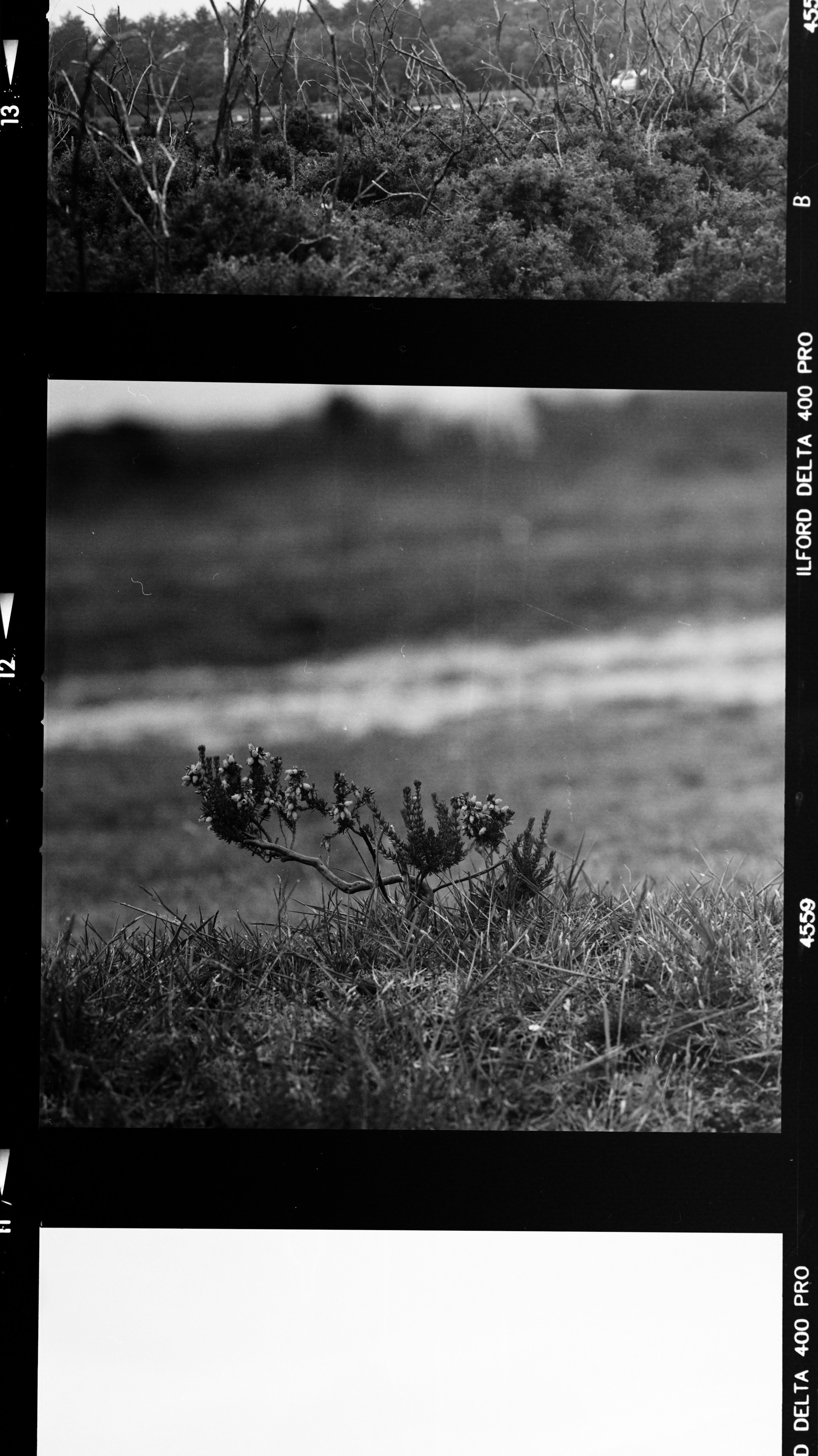
I do not print everything. I print when the image asks for it — when the stance, the light, or the contrast will not sit correctly as a file alone. The print is not an extra. It is the point at which the image stops being provisional.